“How much does an ERP system cost in Egypt?”
It’s usually the first question business owners ask, and honestly, it’s a fair one.
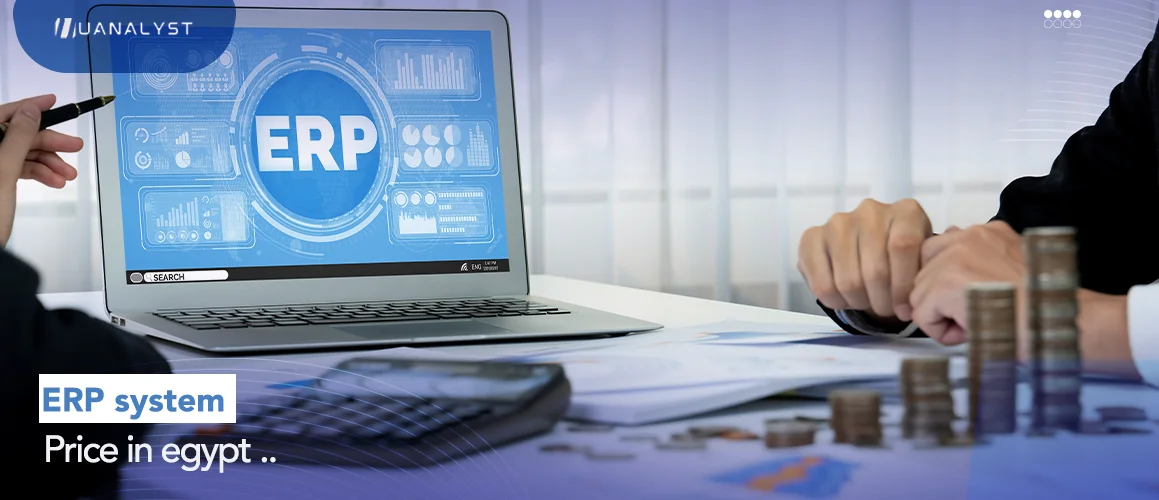
If you’ve been researching ERP systems in Egypt, you’ve probably noticed that pricing isn’t always clear. That’s because there’s no single, fixed ERP system price in Egypt. Costs vary widely depending on your company size, industry, number of users, and how complex your operations are. A small trading company won’t need, or pay for, the same system as a large manufacturer or a multi-branch enterprise.
Another reason pricing can feel confusing is the wide range of vendors in the market. From global platforms to local providers, the best ERP companies don’t offer one-size-fits-all packages. ERP systems are built to adapt to how your business actually works, and that flexibility directly affects the final cost.
In this article, we’ll break down what really goes into ERP pricing in Egypt. You’ll get a clear look at typical price ranges, the key factors that influence cost, and how to choose ERP solutions that fit your business needs without overpaying or underinvesting.
ERP System Price in Egypt: Typical Cost Ranges
If you’re looking into ERP system Egypt, you’ve probably realized pretty quickly that pricing isn’t straightforward. And that’s not vendors trying to be vague; it’s just the nature of ERP. The ERP system price in Egypt depends heavily on how big your business is, how complex your operations are, and what you actually need the system to do.
That said, most ERP projects in Egypt tend to fall into three general tiers.
Small Businesses
For small businesses, ERP is usually about getting organized without overcomplicating things.
What pricing typically looks like:
Entry-level pricing is often subscription-based, especially for cloud solutions.
What you’re usually paying for:
- Core modules like accounting, invoicing, inventory, and basic reporting
- A small number of users
- Standard, out-of-the-box workflows
- Cloud deployment, which keeps upfront costs low
This tier works well for startups and small companies that want control and visibility without a big investment. Many of the best ERP companies in the Egyptian market offer cloud ERPs that can start small and scale later, so you’re not locked into something you’ll outgrow too fast.
Medium-Sized Companies
Once a business starts growing, ERP needs change, fast.
What pricing typically looks like:
Mid-range pricing is based on modules, users, and how much customization is required.
What you’re usually paying for:
- A modular ERP setup that goes beyond just accounting
- More users across multiple teams and departments
- Custom workflows that match how the business actually operates
- Integrations with POS systems, banks, and local tax requirements like e-Invoice system
- More detailed reporting and management dashboards
At this stage, the ERP system price in Egypt is less about the software license and more about the implementation. This is where working with experienced providers of ERP software in Egypt makes a real difference; a good setup saves time and money long-term.
Large Enterprises
For large organizations, ERP is a long-term infrastructure decision, not just a software purchase.
What pricing typically looks like:
Enterprise-level pricing is usually defined after a detailed needs assessment.
What you’re usually paying for:
- A fully customized ERP built around complex business processes
- On-premise or private cloud deployment for performance and control
- Advanced reporting, analytics, and business intelligence
- Multi-branch, multi-currency, and multi-entity support
- Deep system integrations across departments and external platforms
At this level, companies aren’t just comparing numbers; they’re evaluating reliability, scalability, and long-term support. That’s why the best ERP system companies focus less on “cheap pricing” and more on delivering systems that can handle growth without breaking down.
Factors That Affect ERP System Pricing in Egypt
One of the most common concerns we hear at the U-Analyst a custom software company, is surprise around pricing. Not because ERP is “expensive,” but because many businesses don’t realize how many factors go into the ERP system price in Egypt. ERP isn’t an off-the-shelf product; it’s a business system that needs to fit how you operate today and how you plan to grow.
Based on our experience implementing ERP software in Egypt, here are the key elements that shape pricing.
1. Number of Users
At U-Analyst, ERP pricing scales with how many people actually use the system. A finance-only setup looks very different from a company-wide rollout across sales, operations, and management.
More users usually mean:
- Additional licenses or subscriptions
- More access roles and permissions
- Extra onboarding and training
That’s why we always assess user roles upfront, not just headcount.
2. Modules Required
ERP systems are modular by design, and at U-Analyst we structure pricing around the modules your business truly needs.
Whether it’s finance, inventory, HR software system, payroll, procurement, manufacturing, or CRM, each module adds value and cost. Many of the best ERP companies, including U-Analyst, recommend starting with core modules and expanding over time to keep investments controlled.
3. Industry-Specific Requirements
Industry matters more than most businesses expect.
At U-Analyst, a verified Odoo partner, we’ve seen how different ERP needs can be across construction ERP systems, retail, distribution, and service-based companies in Egypt. Industry-specific requirements like batch tracking, project costing, or production planning often require additional configuration or tailored logic, which impacts pricing.
4. Cloud vs. On-Premise Deployment
Deployment choice is a major pricing factor we walk through with every client at U-Analyst, a Microsoft Dynamics 365 partner.
- Cloud ERP offers lower upfront costs, faster deployment, and easier scaling.
- On-premise ERP requires a higher initial investment but offers full infrastructure control.
Most companies adopting ERP software in Egypt today lean toward cloud solutions for flexibility and cost efficiency.
5. Level of Customization
At U-Analyst, we focus on smart customization, not overengineering.
Standard ERP functionality covers most needs, but when businesses require tailored workflows, approvals, or reporting, customization becomes part of the pricing equation. Our approach is always to balance customization with long-term maintainability.
6. System Integrations
Integrations are critical for ERP success, especially in the Egyptian market.
At U-Analyst, we commonly integrate ERP systems with:
- ETA e-Invoicing platforms
- POS systems for retail and F&B
- Local banks for payments and reconciliation
- Payroll and HR systems
- Healthcare ERP solutions
Each integration adds scope, testing, and long-term support considerations to the overall cost.
7. Data Migration
Data migration is one of the most underestimated ERP cost drivers.
At U-Analyst, we assess data volume, structure, and quality before implementation. Migrating years of unstructured data from legacy systems or spreadsheets requires careful planning and directly affects pricing and timelines.
8. Training and Ongoing Support
ERP value comes from adoption, not installation.
That’s why U-Analyst includes structured training and ongoing support as part of our ERP implementations. User training, post-go-live support, and clear SLAs all factor into the total investment and ensure the system delivers real value long after launch.
Why Businesses in Egypt Choose U-Analyst
Choosing an ERP provider isn’t just about features or pricing; it’s about finding a partner who understands your business and the local market. At U-Analyst, we work closely with companies across Egypt to deliver ERP solutions that actually fit how they operate.
We don’t believe in fixed packages or one-size-fits-all pricing. Every business is different, which is why we customize both the ERP system and the pricing based on your real needs, from company size and industry to growth plans and compliance requirements.
As a trusted provider of ERP software in Egypt, U-Analyst offers a wide range of tailored solutions, including
- Custom ERP Systems built around your workflows, from intuitive wireframes to full implementation
- HR Software Systems designed to improve efficiency and maximize workforce productivity
- Government-compliant E-Invoicing Systems fully aligned with Egyptian tax regulations
- Healthcare ERP Systems that help healthcare organizations deliver better, more efficient services
- Supply Chain ERP Software integrated with Odoo, providing end-to-end visibility and secure inventory management
- Construction Management Systems that cover every phase of a project, from planning to handover
Our focus is always on long-term value, scalability, and ease of use.
Get Started with a Customized ERP Solution
If you’re comparing options and trying to understand the ERP system price in Egypt, the smartest next step is a real conversation. Our team takes the time to understand your challenges, map your requirements, and recommend the right solution, without overcomplicating or overselling.
At U-Analyst, we tailor ERP systems and pricing to match your business goals, ensuring you invest only in what you truly need today, with the flexibility to scale tomorrow.
Get started now and speak with our ERP experts to explore a customized solution built specifically for your business.